If you’re a learner driver in South Africa, you’ve probably heard a lot about the K53 driving system. But what exactly is it, and why is it so important?
The K53 is the official set of rules and procedures used to test and train drivers in South Africa. It was introduced to improve road safety by focusing on defensive driving – the ability to anticipate and avoid potential hazards.
One of the key benefits of the K53 system is that it teaches you to be aware of everything around you while driving. You’ll learn to check mirrors regularly, observe blind spots, and scan the road ahead for hazards. These are not just exam tricks – they are life-saving habits that all drivers should practice.
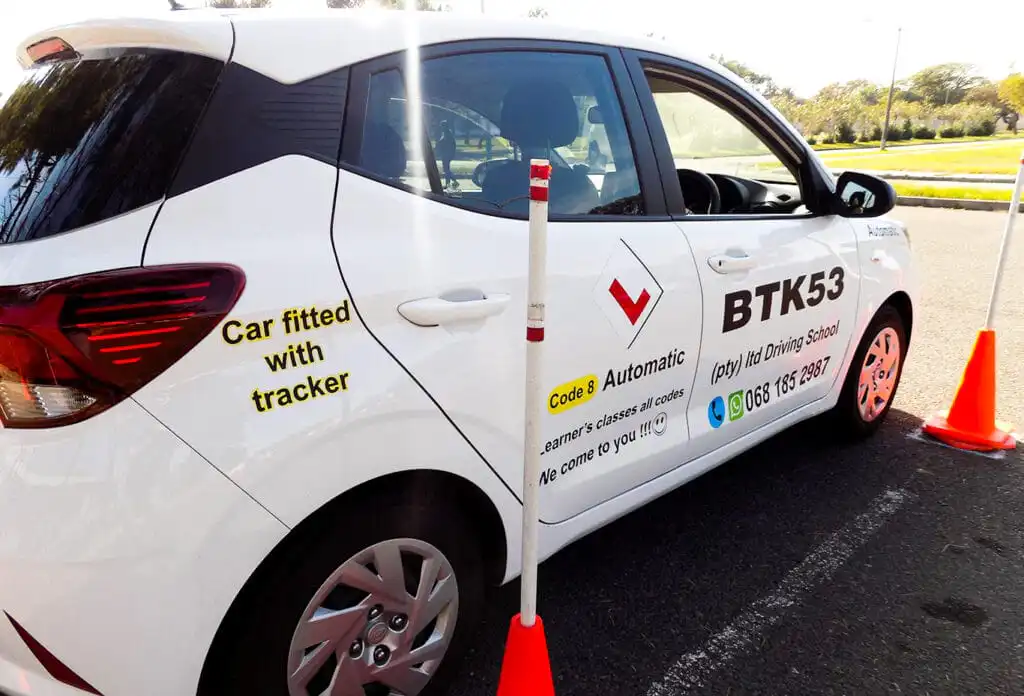
Another major focus of K53 is vehicle control. It emphasises smooth, deliberate movements – from steering and braking to gear changes and lane discipline. Mastering these skills means you’re less likely to lose control of your vehicle, even in tricky conditions like rain or heavy traffic.
The K53 method also teaches legal compliance. You’ll learn when and how to signal, what each road marking means, and how to behave at intersections, pedestrian crossings, and traffic circles. By learning the correct way from the start, you build safe, responsible driving habits.
Importantly, passing your driver’s test using K53 principles is not about memorisation. It’s about understanding why each step matters. For example, checking your blind spot before changing lanes isn’t just part of the test – it’s a habit that can prevent serious collisions on the highway.
Critics sometimes say the K53 system is outdated or overly rigid. But the truth is, its principles are rooted in safety and accountability. Once you’ve mastered it, you can adapt your driving style as needed while keeping those core defensive driving habits intact.
Learning to drive with the K53 rule set prepares you not just to pass your test, but to thrive on South African roads. It’s your best first step toward a lifetime of safe driving.