A guide to passing your K53 Drivers licence in Cape Town
Source: Facebook
Practice what the instructor has taught you.
Practice ...
Practice ...
Practice ...
Keep on practicing ...
Never give up!
The Pre-trip Inspection - Exterior
Under the car there are no oil leaks and no obstructions
Wiper blades are in good working order not cracked
The wheel is well inflated, one millimeter thread and the wheel is secure. That applies for all four wheels.
Front lights good working order not cracked
Under the bonnet the water, oil, brake fluid, and fan belt has been checked
Fuel cap is closed and locked
In the boot spare wheel jack spanner.
The Pre-trip Inspection - Interior
The doors are closed and locked
Seats and mirrors are adjusted
Handbrake is up
Gear is in neutral
No obstruction at my feet nor on the dashboard
All the instruments on the dashboard are in good working order
Starting Procedure
Handbrake applied, ratchet checked
Gear in neutral
Automatic choke
Warning lights and gauges checked
Safety belt on
Start the engine
360° Observations
Perform this visual check every time the vehicle’s handbrake is up and you are ready to pull away:
Blind spot
Side mirror
Rear view mirror
Opposite side mirror
Opposite blind spot
The Yard
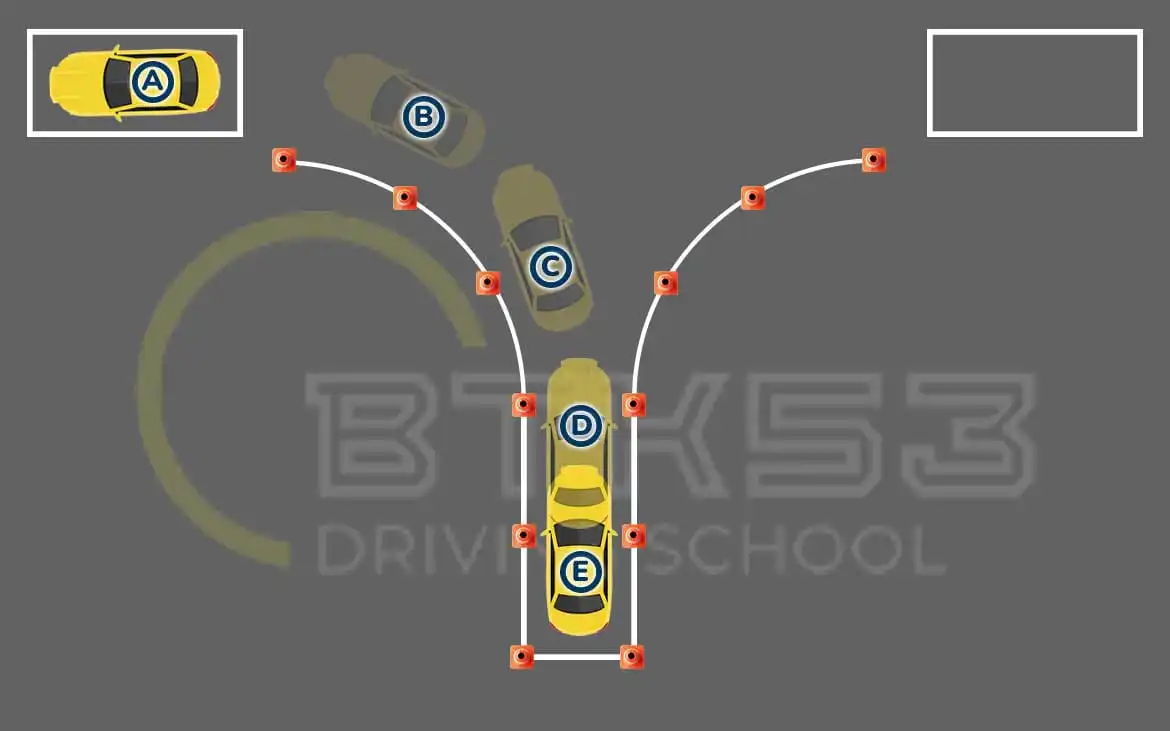
Alley Docking
Alley docking is a manoeuvre which demonstrates the ability to reverse into a driveway, and forms part of the K53 Driver’s Licence test.
A. Prepare for the Manoeuvre
Follow the examiner’s direction to the marked starting area (square A).
Obey all road rules while approaching the starting point.
Stop within the marked square.
Engage the handbrake.
Shift into neutral.
B. Start the Manoeuvre
Check rearview mirror and relevant blind spot.
Indicate in the direction you plan to reverse.
Select reverse gear.
Balance the clutch (find the bite point).
Perform a full 360° observation:
Blind spot (opposite turning side)
Side mirror (opposite turning side)
Rearview mirror
Side mirror (turning side)
Blind spot (turning side)
Release the handbrake.
Begin reversing slowly and steadily.
C & D. Reverse into the Alley
Re-check the blind spot on the side opposite your turn.
Turn the steering wheel to begin entering the alley.
Guide the rear of the vehicle by looking over your shoulder.
Use side mirrors to centre the vehicle between the poles.
E. Stop Inside the Alley
Look over your shoulder to judge final position.
Stop within the rear marked square.
Avoid driving over the rear pole.
Engage the handbrake.
Shift into neutral.
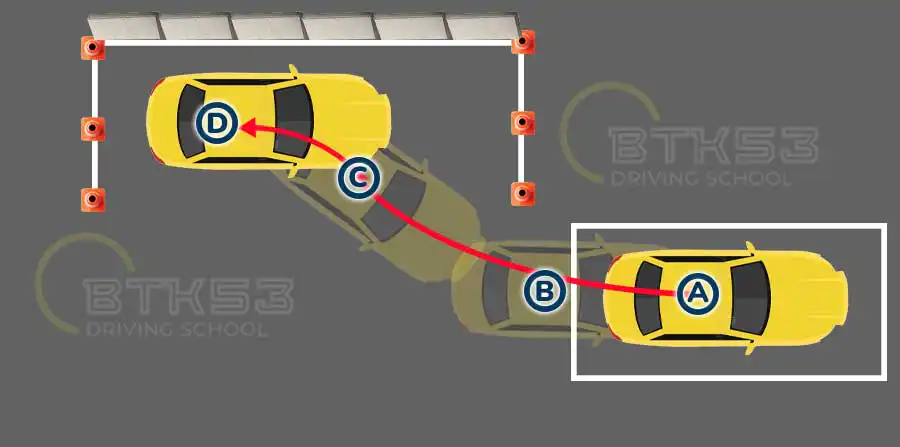
Parallel Parking
Position the vehicle at the starting and cancel the signal if applicable. Apply parking brake and select neutral.
A. Prepare to Reverse
Check rear-view mirror(s).
Check left blind spot.
Indicate left to show intention.
Select reverse gear.
Find the clutch bite point for control.
B. Begin the Manoeuvre
Perform a full observation around the vehicle.
Release the handbrake.
Move off slowly in reverse.
C. Steer into the Bay
Check right blind spot before the vehicle begins to turn.
Steer into the parking bay smoothly.
Avoid any contact with obstacles or mounting the curb.
If needed, counter-steer and move forward to correct alignment.
D. Complete the Manoeuvre
Stop the vehicle fully within the demarcated parking area.
Apply the handbrake.
Shift into neutral.
Cancel the indicator.
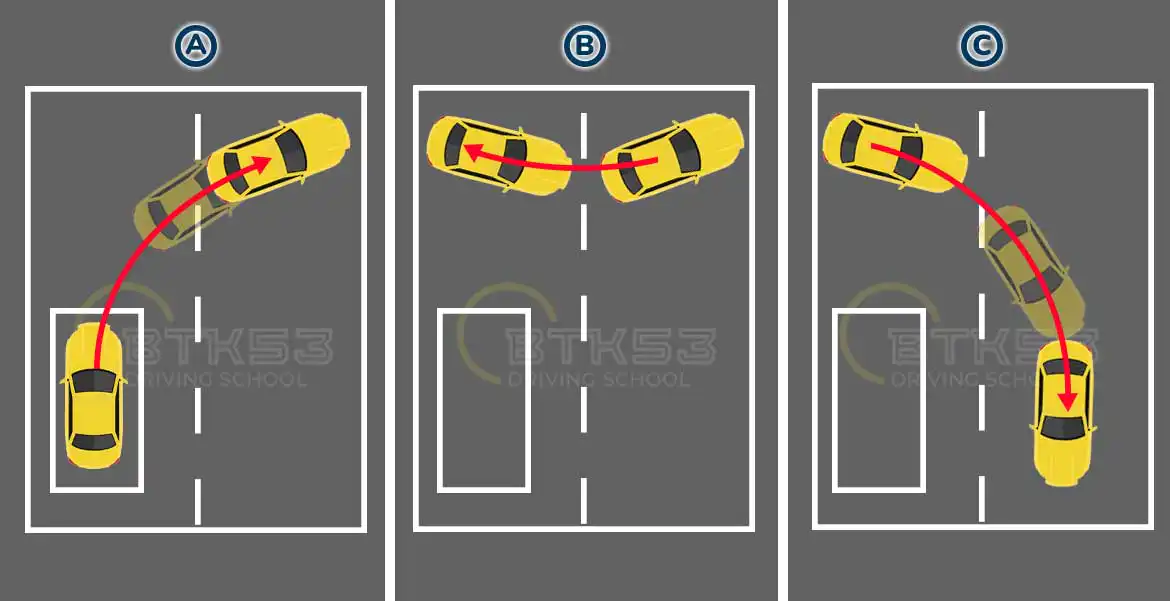
3 Point Turn
Another part of the K53 Driver’s Licence test is the 3 point turn. This involves turning the car around to face the opposite direction in a normal road.
A. First Leg – Forward Turn to the Right
Check rearview mirror(s) and right blind spot.
Indicate right.
Select first gear.
Find the clutch bite point (manual transmission).
Perform full observation.
Release the parking brake.
Move forward slowly, turning the steering wheel fully to the right.
Counter-steer as needed.
Stop before reaching the kerb.
Apply parking brake (if required).
B. Second Leg – Reverse to the Left
Check rearview mirror(s) and left blind spot.
Indicate left.
Select reverse gear.
Find the clutch bite point (manual transmission).
Perform full observation.
Release parking brake (if applied).
Reverse slowly, turning the steering wheel fully to the left.
Counter-steer as needed.
Stop before reaching the kerb.
C. Final Leg – Drive Forward and Complete Turn
Apply parking brake (if required).
Check rearview mirror(s) and right blind spot.
Indicate right.
Select first gear.
Find the clutch bite point (manual transmission).
Perform full observation.
Release parking brake (if applied).
Drive forward and keep to the left of the road.
Cancel signal.
On the Road
Rules of the Road
Key Road Safety Rules in South Africa:
Seatbelts:All occupants of a vehicle must wear seatbelts.
Speed Limits:Obey posted speed limits. Speed limits are typically 60 km/h in urban areas, 100 km/h on rural roads, and 120 km/h on highways.
No Drinking and Driving:The legal limit for alcohol is now 0%. This means no driver may ever drink and drive.
Traffic Signals and Signs:Follow all traffic lights, signs, and signals.
Right of Way:
Intersections:At intersections with no traffic lights or stop signs, the driver approaching from the right has the right of way.
Pedestrians:Pedestrians have the right of way at pedestrian crossings and intersections.
Indicators:Use indicators when turning or changing lanes.
Safe Following Distance:Maintain a safe following distance from the vehicle in front.
Mobile Phones:Do not use mobile phones while driving.
Left-Hand Drive:South Africa drives on the left-hand side of the road.
Driving Licence:A valid driving licence from your country of residence is required, and it is required to keep a copy of your license with you.
Changing Lanes
Perform this sequence every time you plan on changing lanes.
Check rear view mirror
Check mirror on side you want to move into
Check blind spot on side you want to move into
Indicate to the side you want to move to
Check the blind spot again
Change lanes if it is safe to do so.
Crossing side roads & Intersections
Perform this visual check every time you approach side roads or intersections while driving.
Check centre mirror
Check left road
Check right road
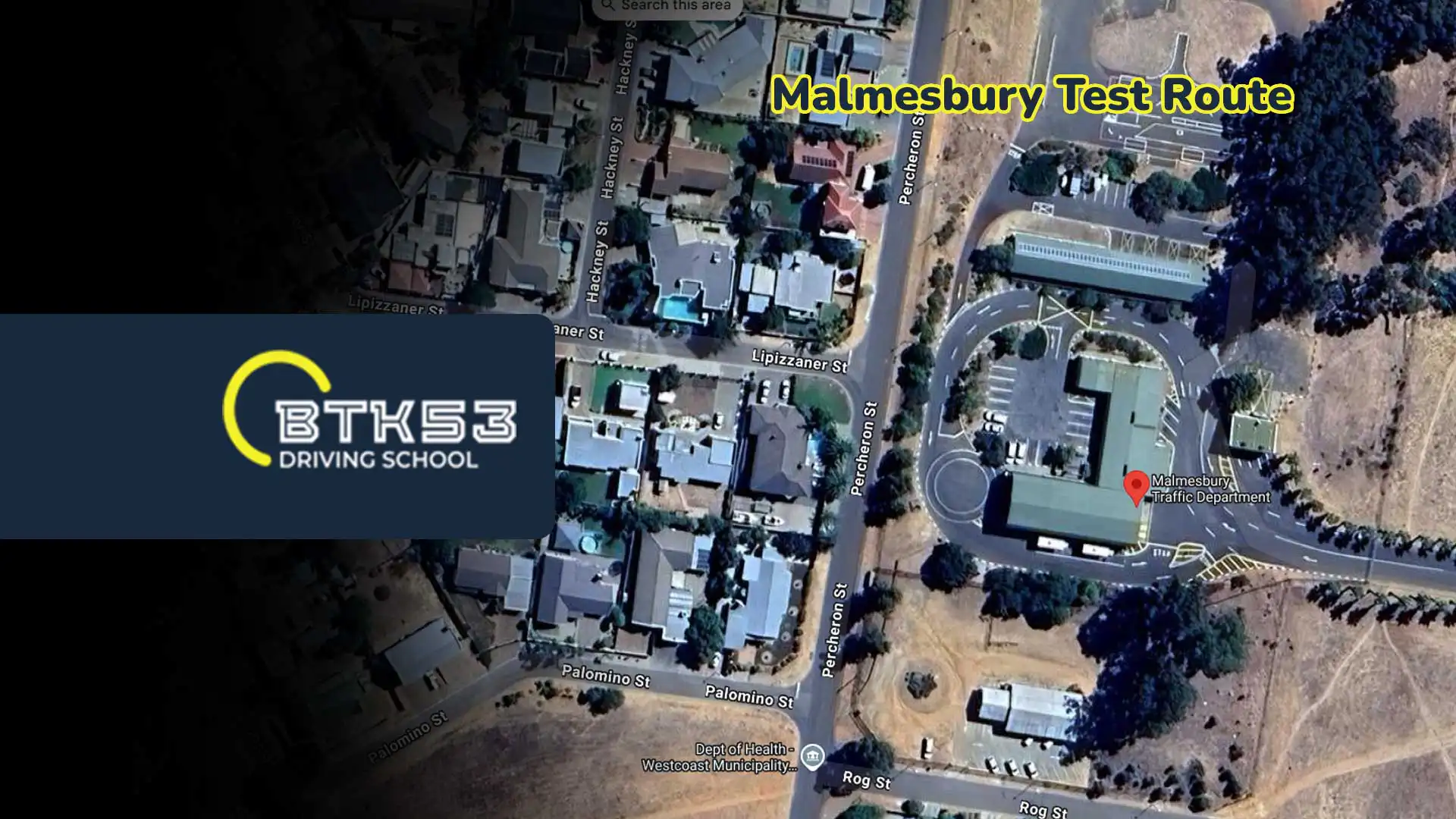
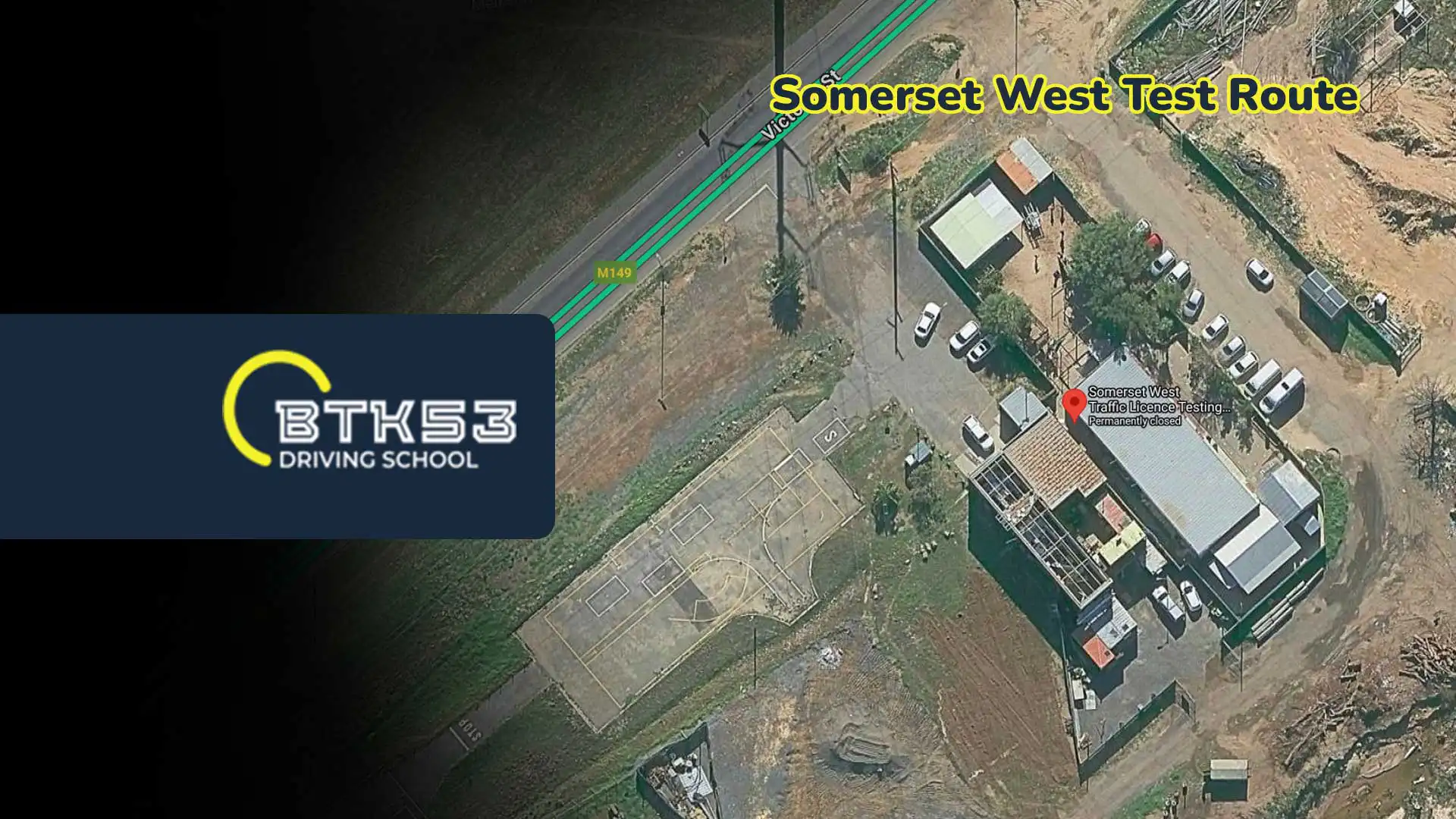
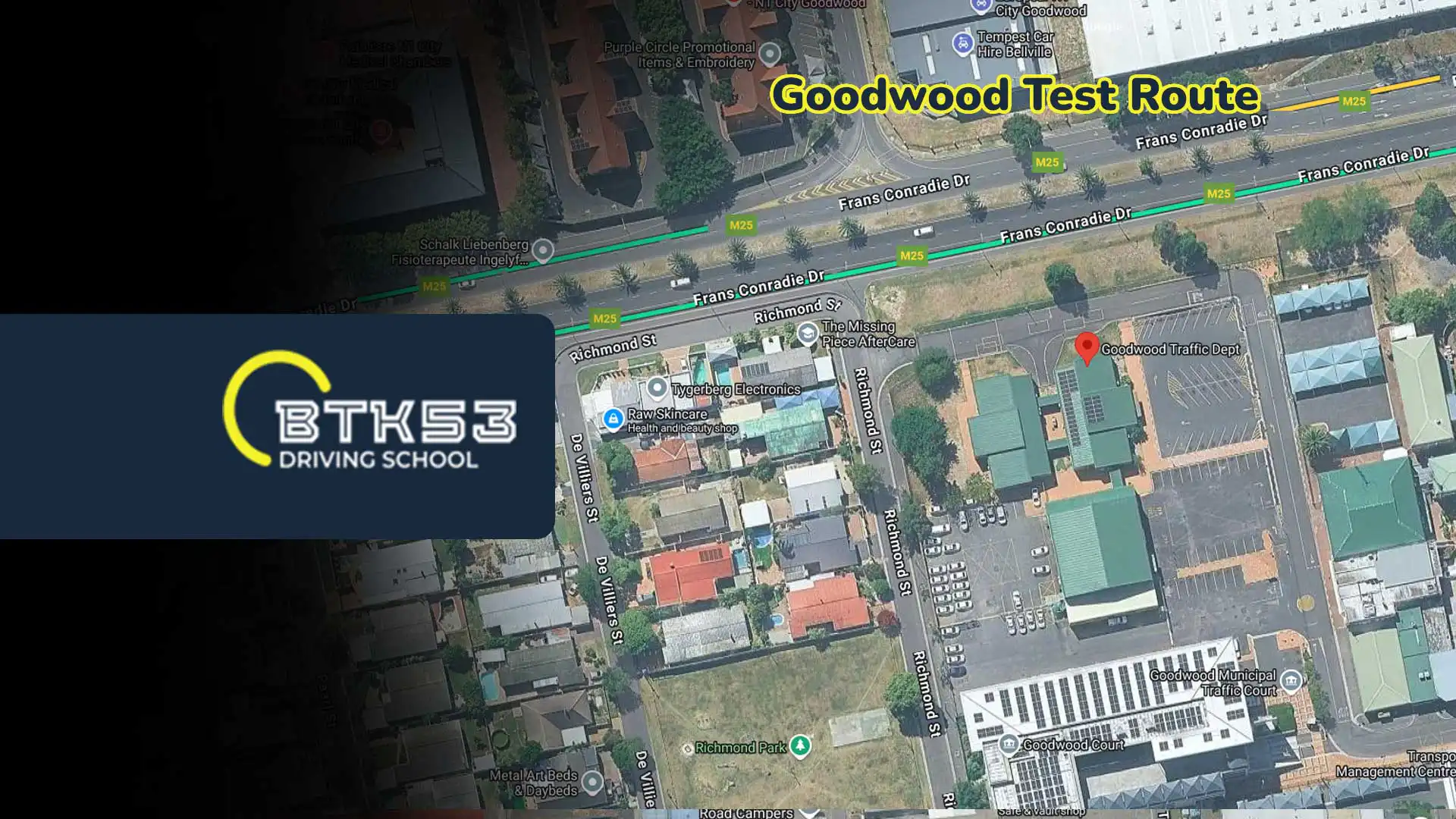
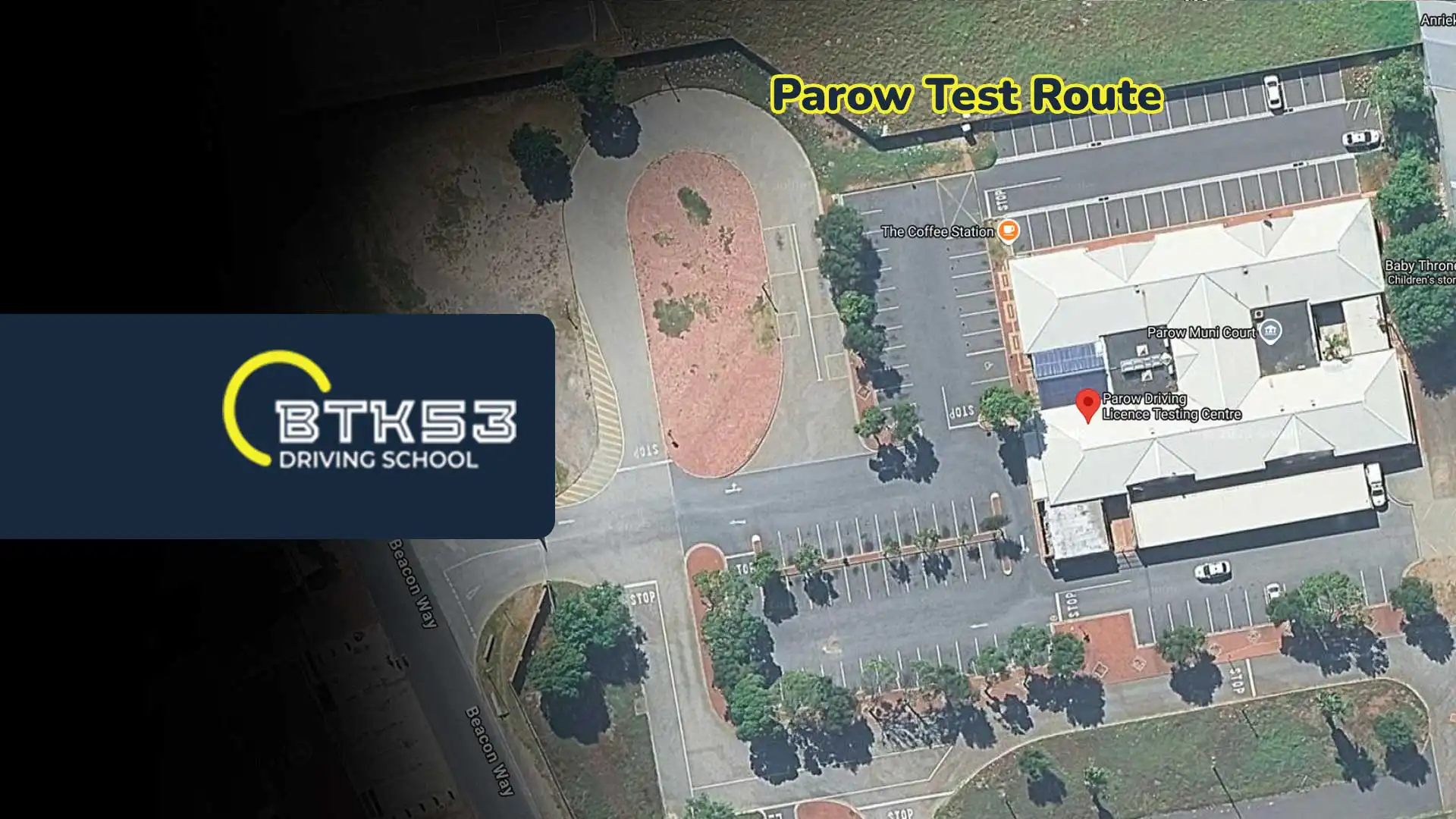
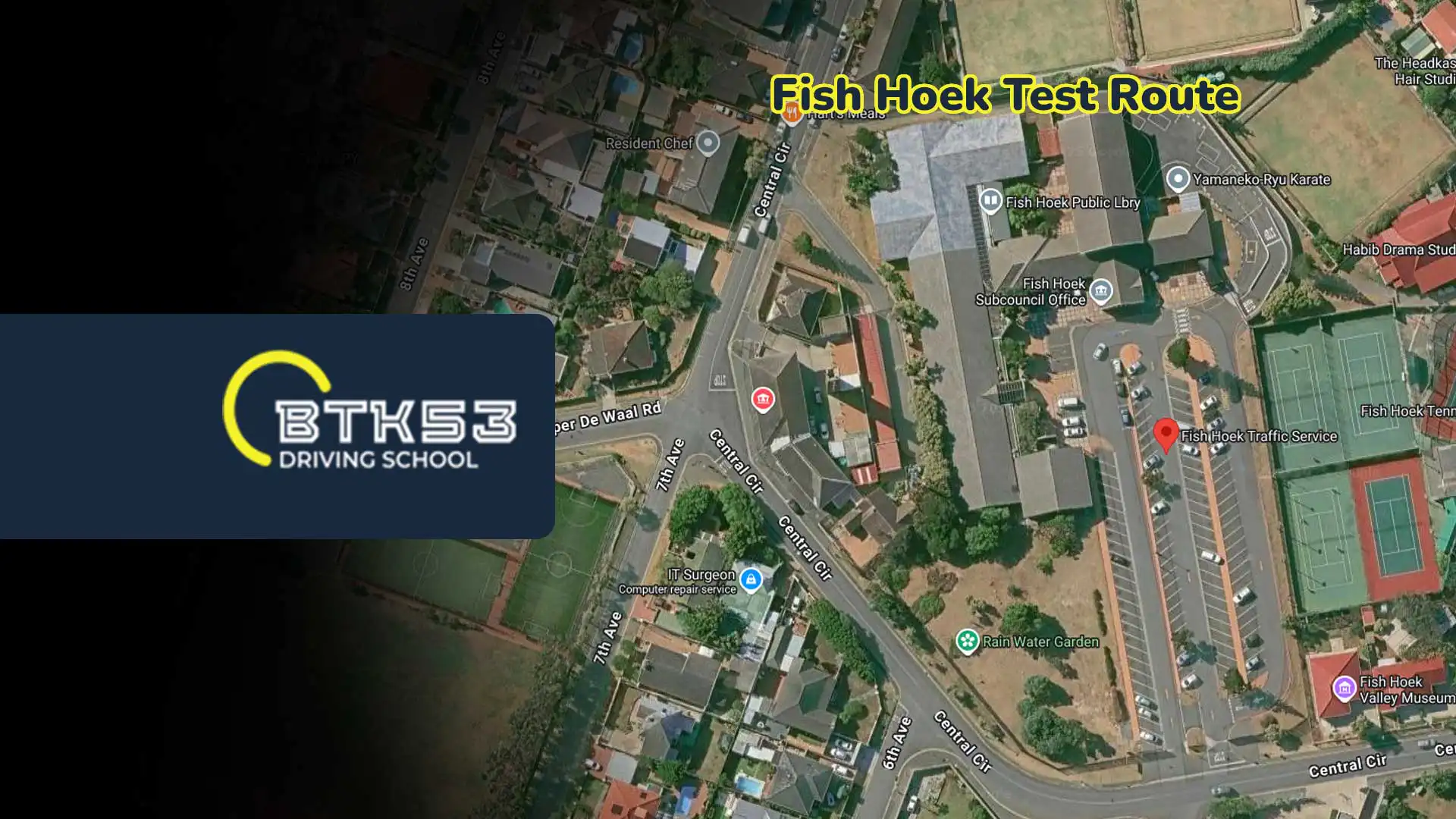
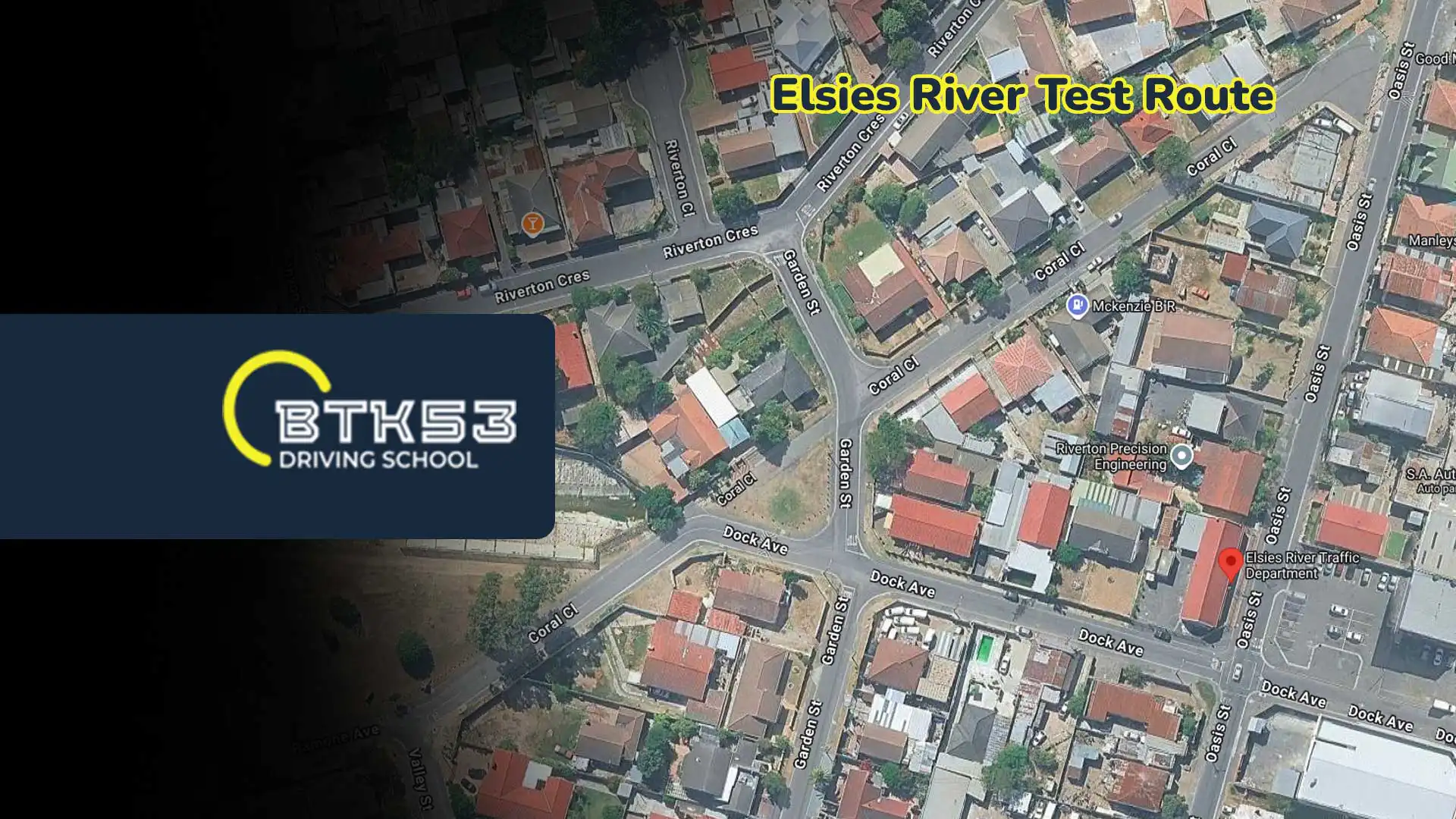
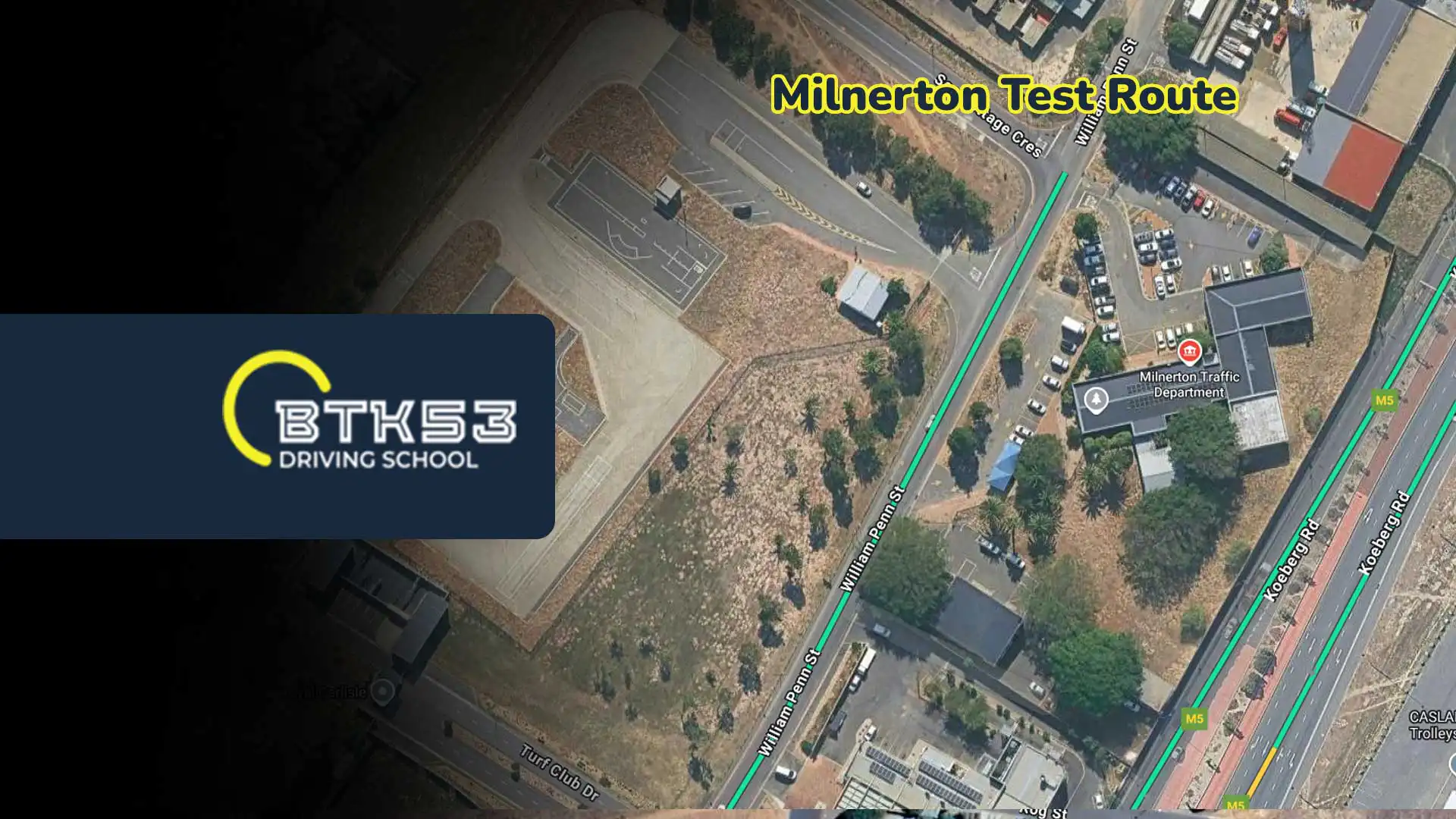
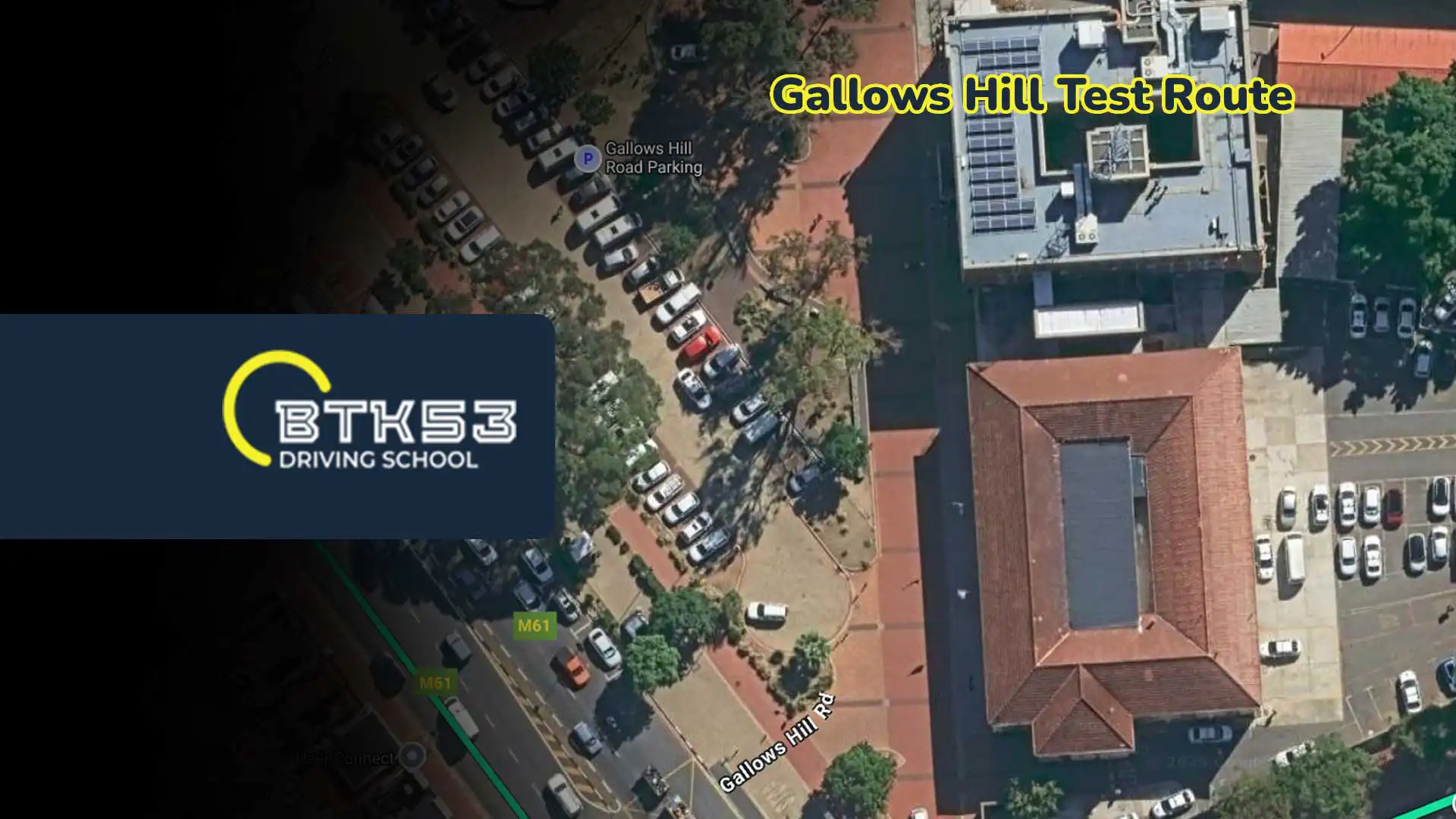
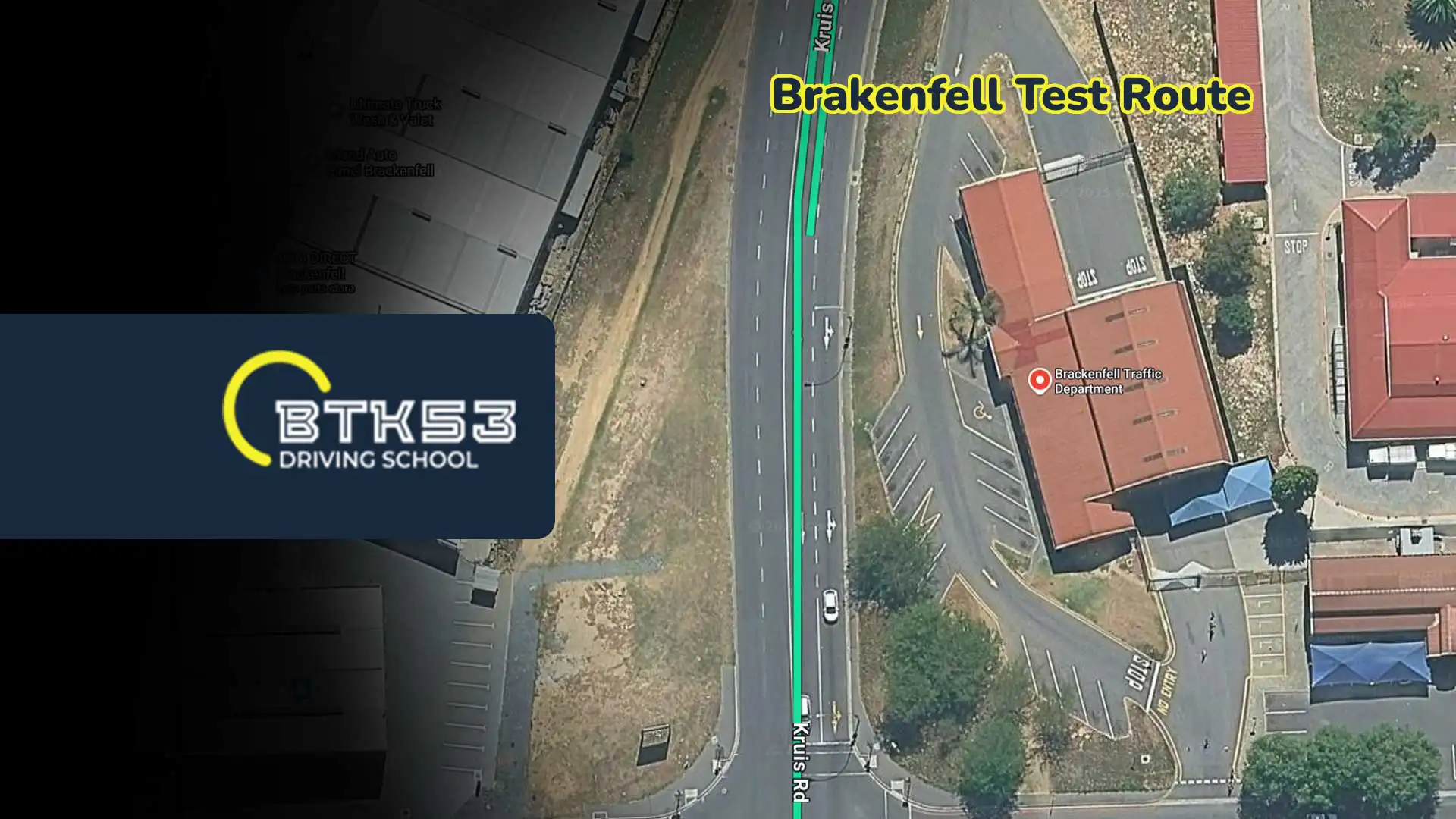
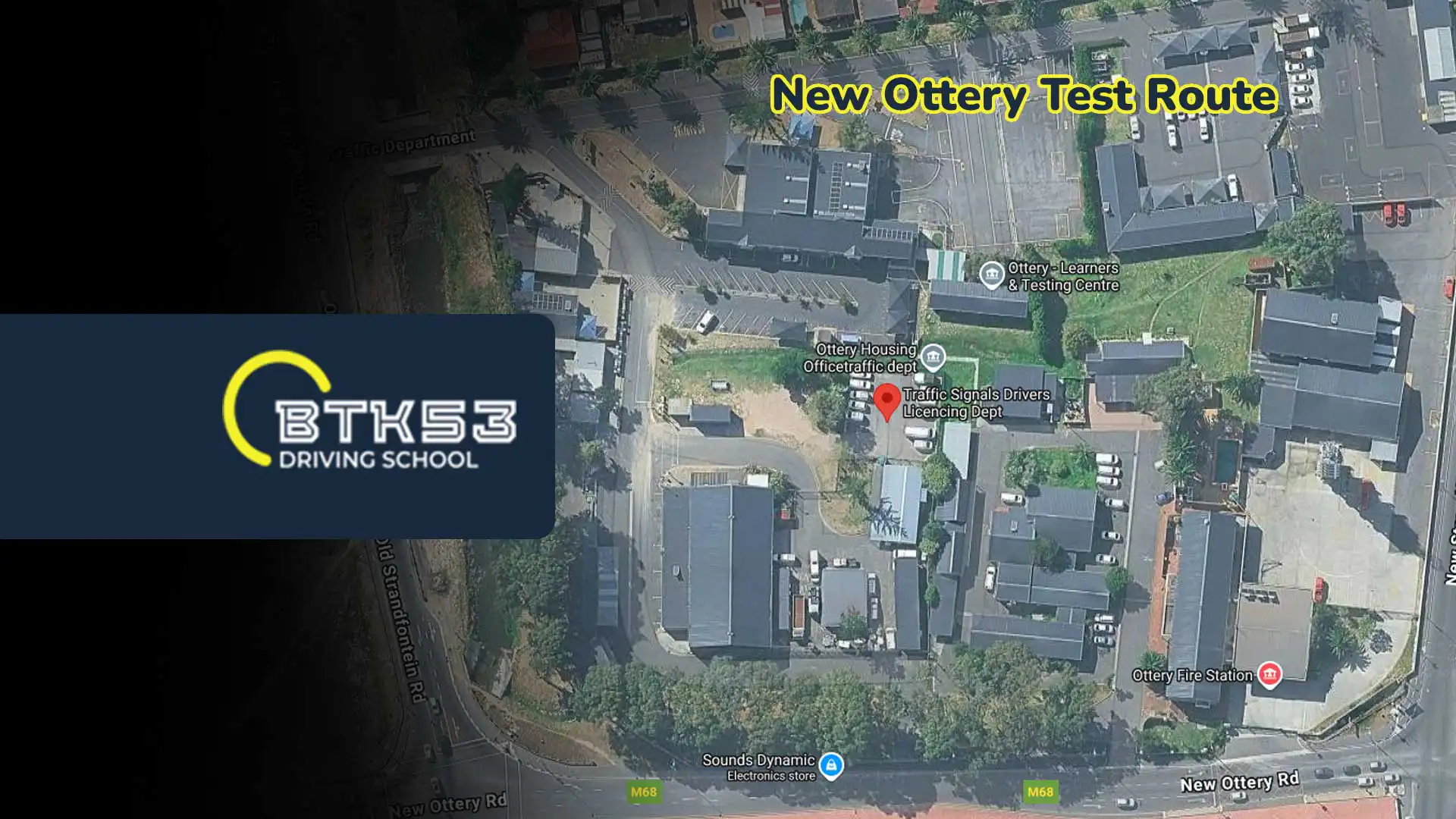
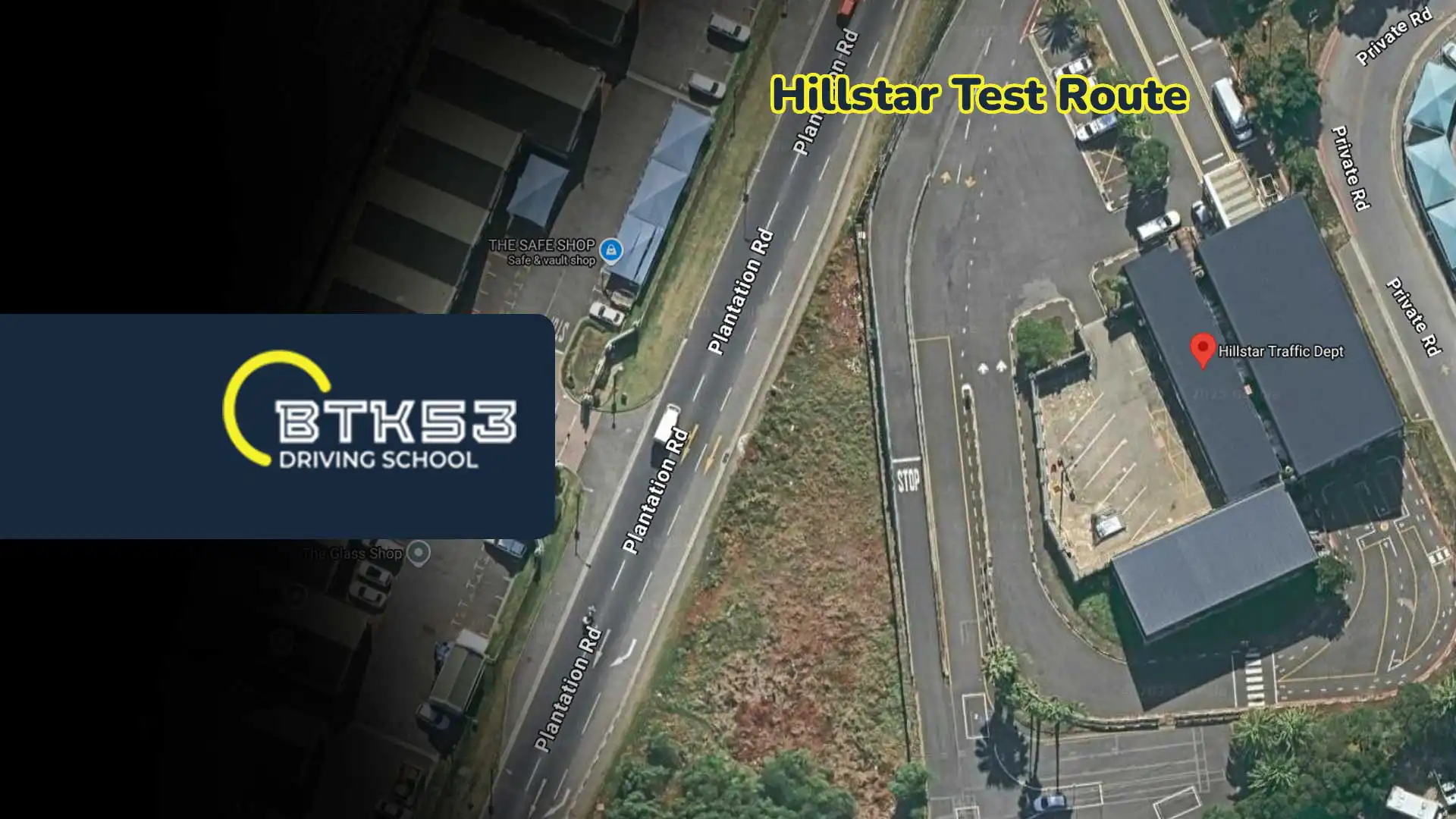
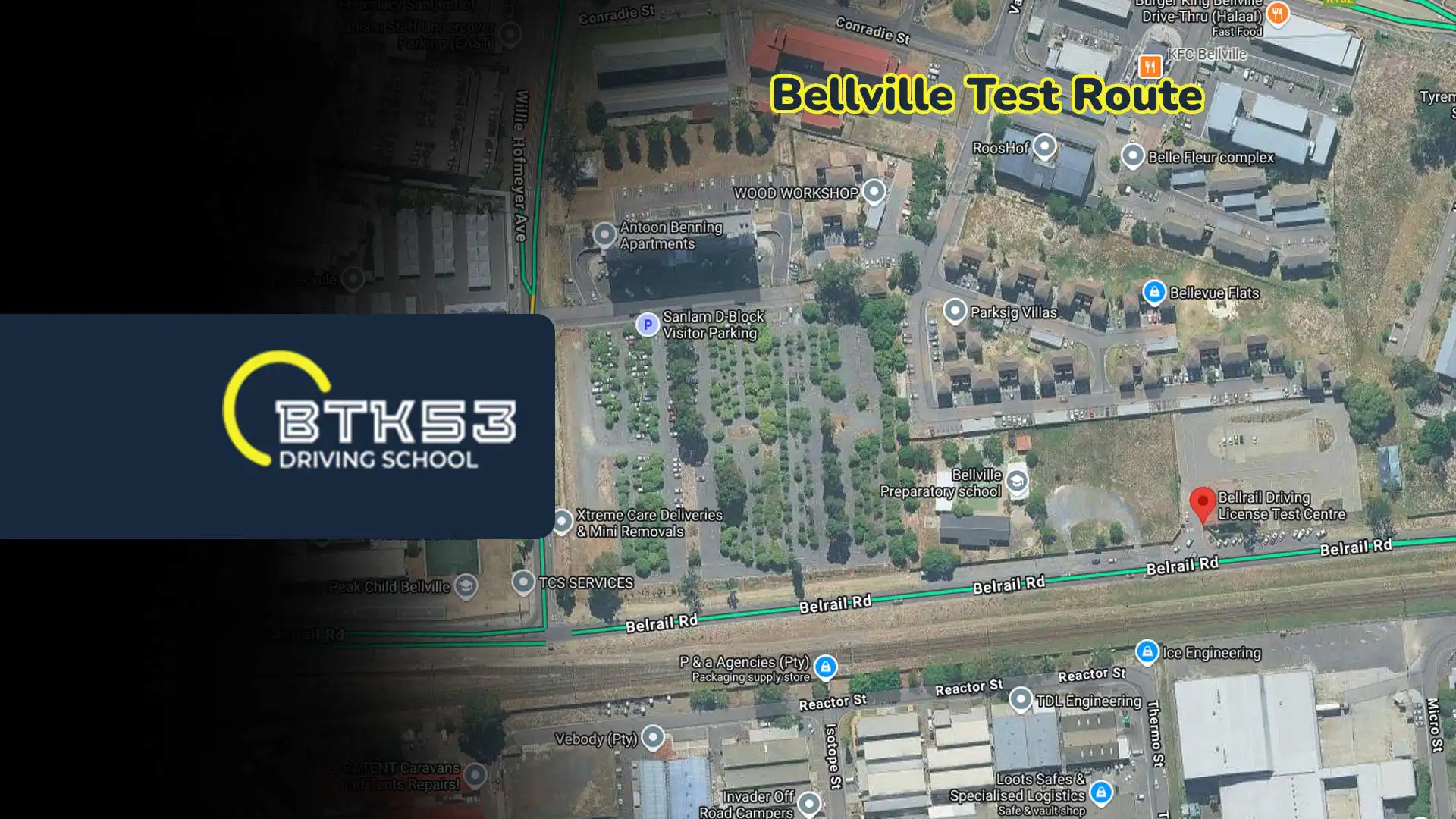
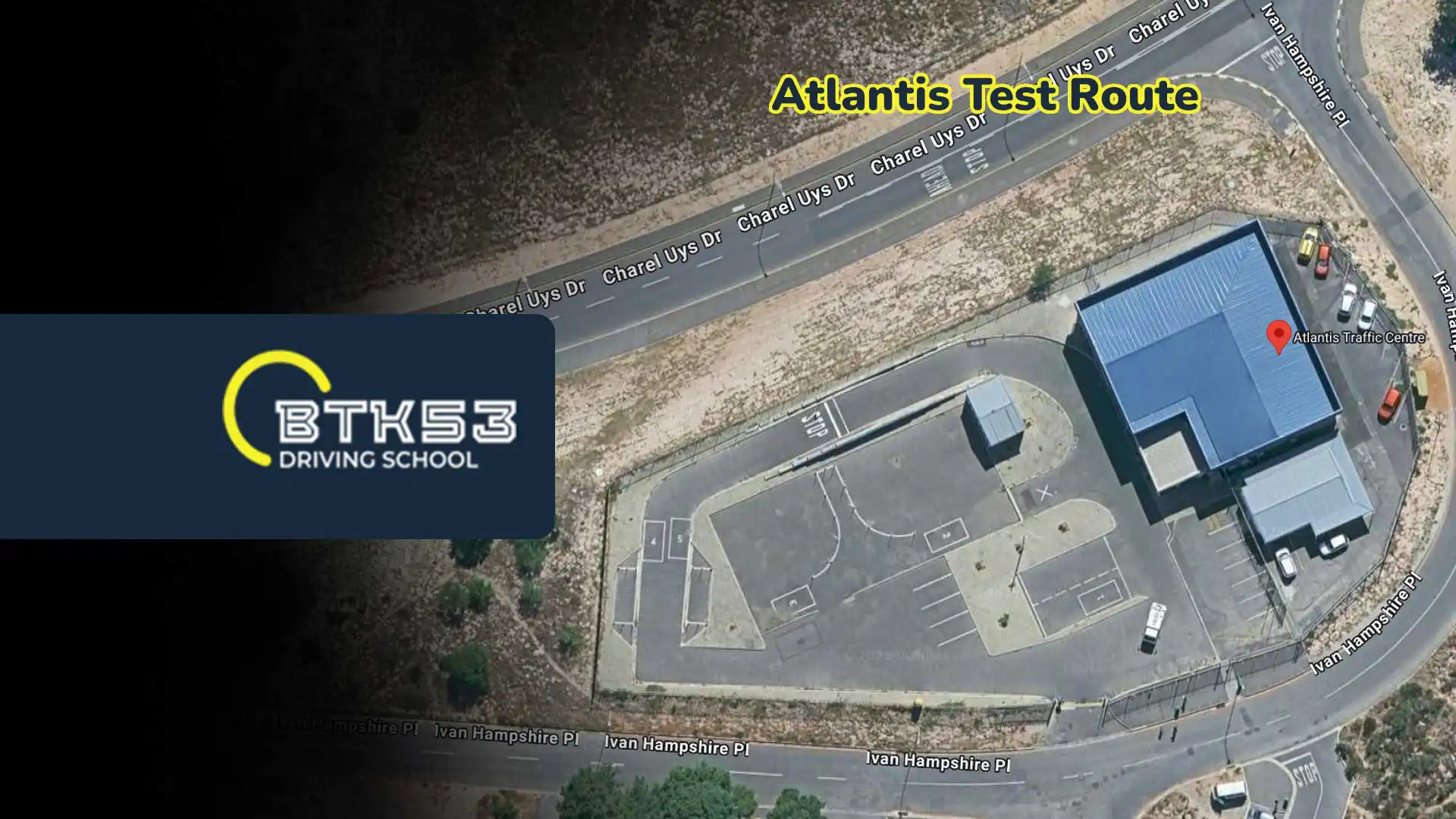
Check out the test routes and try them before your test.